

What to Expect When You're Planning a Roofing Project
Planning a roofing project requires more than choosing new materials and scheduling an installation. Homeowners need to consider the condition of the existing roof, project costs, materials, contractor qualifications, timing, permits, and potential unexpected issues. Careful preparation can make the process more organized while helping ensure the finished roof meets the property's needs.
A successful project begins with a clear understanding of what needs to be done. Whether the property requires repairs or a complete replacement, working with qualified professionals and establishing realistic expectations can help prevent unnecessary delays and expenses.
Assessing the Current Roof
The first step is determining the condition of the existing roof. Signs such as missing or damaged shingles, leaks, sagging areas, water stains, and visible deterioration may indicate that professional attention is needed. A qualified contractor can conduct a detailed inspection and determine whether repairs or replacement are appropriate.
The scope of the project should also be established early. A roof with limited damage may require targeted repairs, while widespread deterioration, structural concerns, or an aging system may make replacement more practical. A professional assessment provides a clearer understanding of the work involved.
Roofing budget considerations should be addressed at this stage as well. Material costs, labor, permits, disposal, and possible structural repairs can all affect the final price. Setting aside funds for unexpected conditions can provide additional financial flexibility if issues are discovered after work begins.
Selecting Appropriate Materials
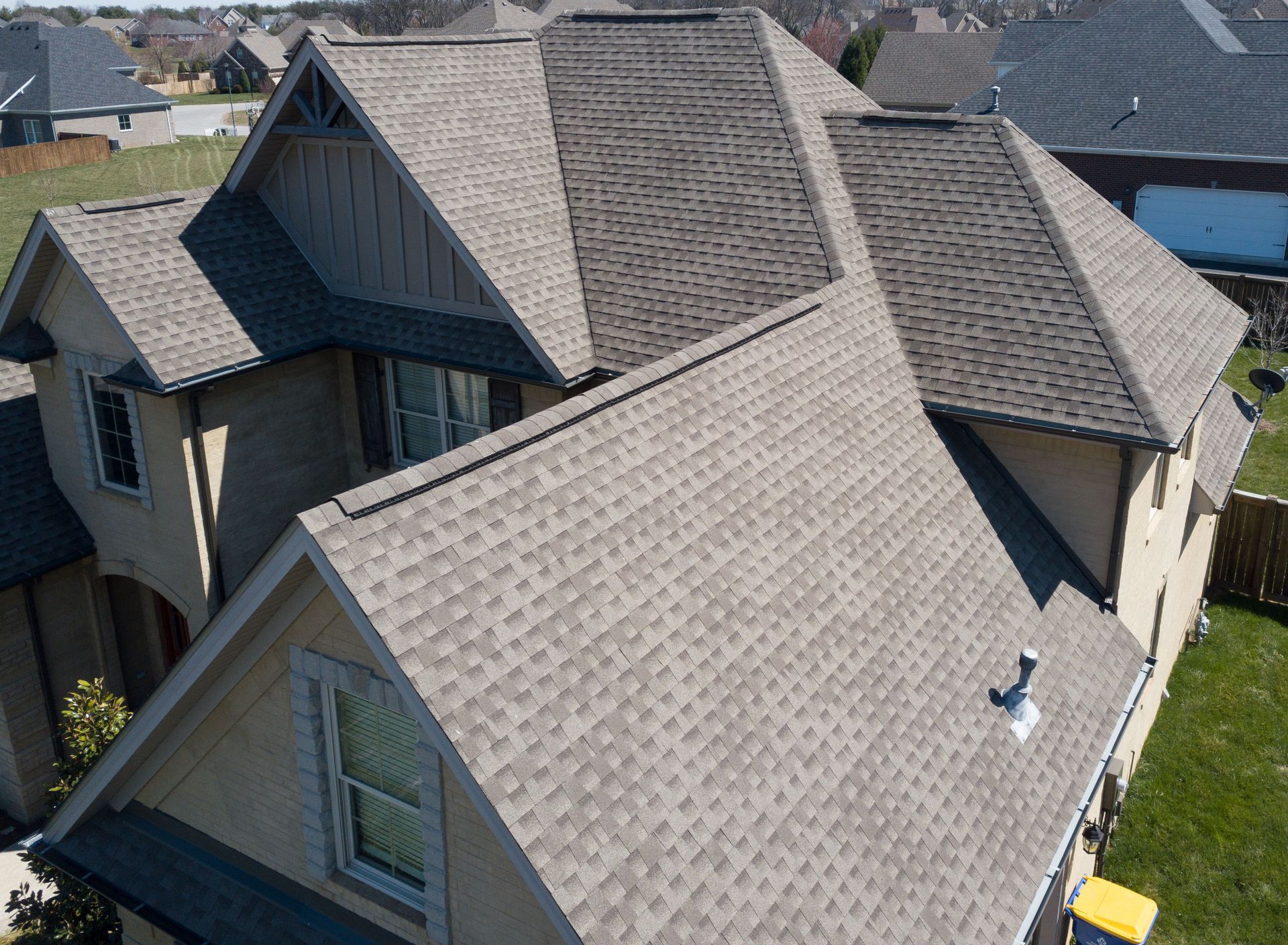
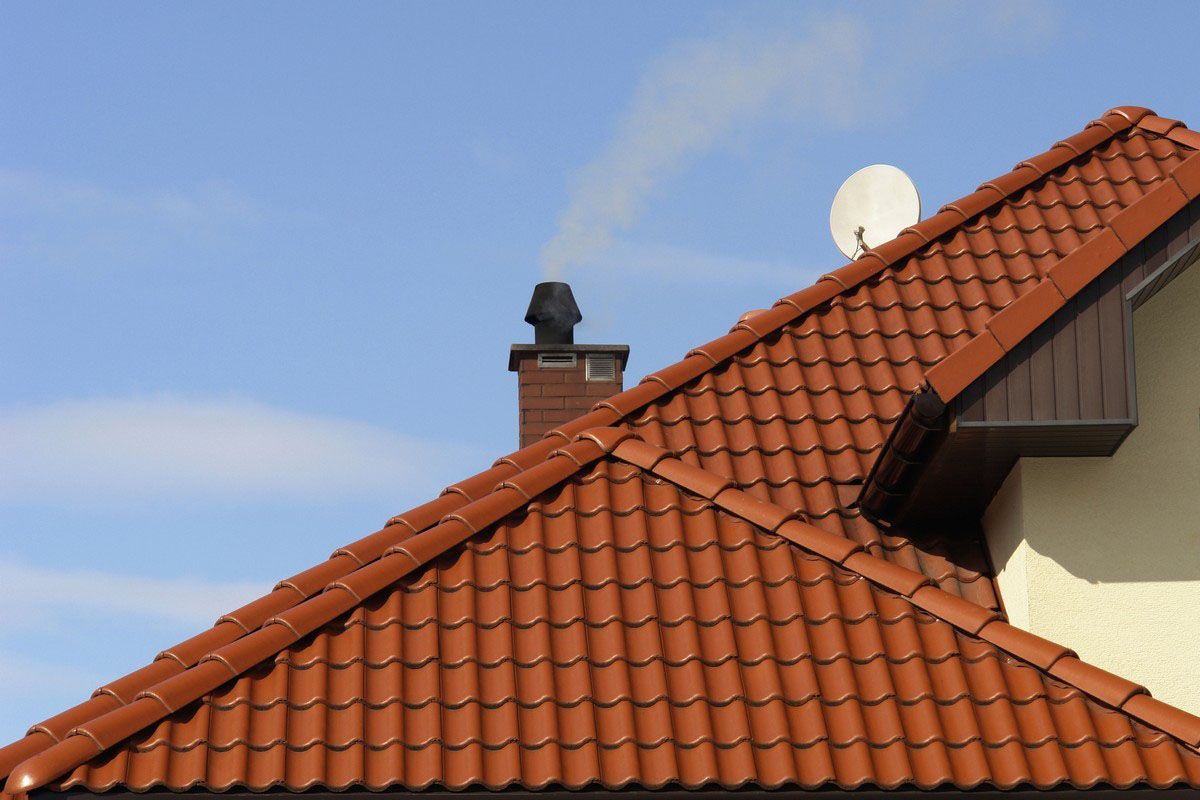
Roofing material selection can influence the appearance, durability, maintenance requirements, and overall cost of the project. Asphalt shingles are widely used because of their variety and relatively accessible cost. Metal, tile, and other materials can provide different performance characteristics and may be appropriate for specific architectural styles or environmental conditions.
Homeowners should consider how long they expect to remain in the property when comparing materials. A product with a higher initial price may provide a longer service life, while a less expensive option may have a shorter replacement cycle. Local weather should also be considered when selecting materials.
Appearance is another consideration. Color, texture, and material style should complement the property's existing exterior. Energy performance may also influence the decision, particularly for homeowners interested in reducing heat absorption and improving overall efficiency.
Choosing a Qualified Contractor
The contractor selected for the project can have a significant effect on its outcome. Homeowners should look for professionals who meet applicable licensing and insurance requirements and have experience with the type of work being planned.
References and reviews can provide additional insight into a contractor's communication, scheduling, workmanship, and customer service. Speaking with previous customers can offer useful context beyond online reviews alone.
Obtaining multiple estimates can also help homeowners understand the expected cost and scope of work. Estimates should be compared based on the materials, labor, warranties, timeline, cleanup, and other services included rather than focusing exclusively on the lowest price.
Before work begins, the contract should clearly outline the project scope, payment schedule, materials, estimated completion date, warranty information, and responsibilities of both parties. Any unclear terms should be addressed before signing.
Understanding the Project Timeline
Scheduling can be affected by weather, material availability, contractor workloads, permits, and the complexity of the property. Homeowners should discuss these factors with their contractor before establishing a firm start date.
According to HomeGuide, replacing a roof takes 1 to 8 days, depending on the material, roof size, pitch, and complexity. This provides a general timeframe, but individual projects can take longer when weather or unexpected structural conditions affect the schedule.
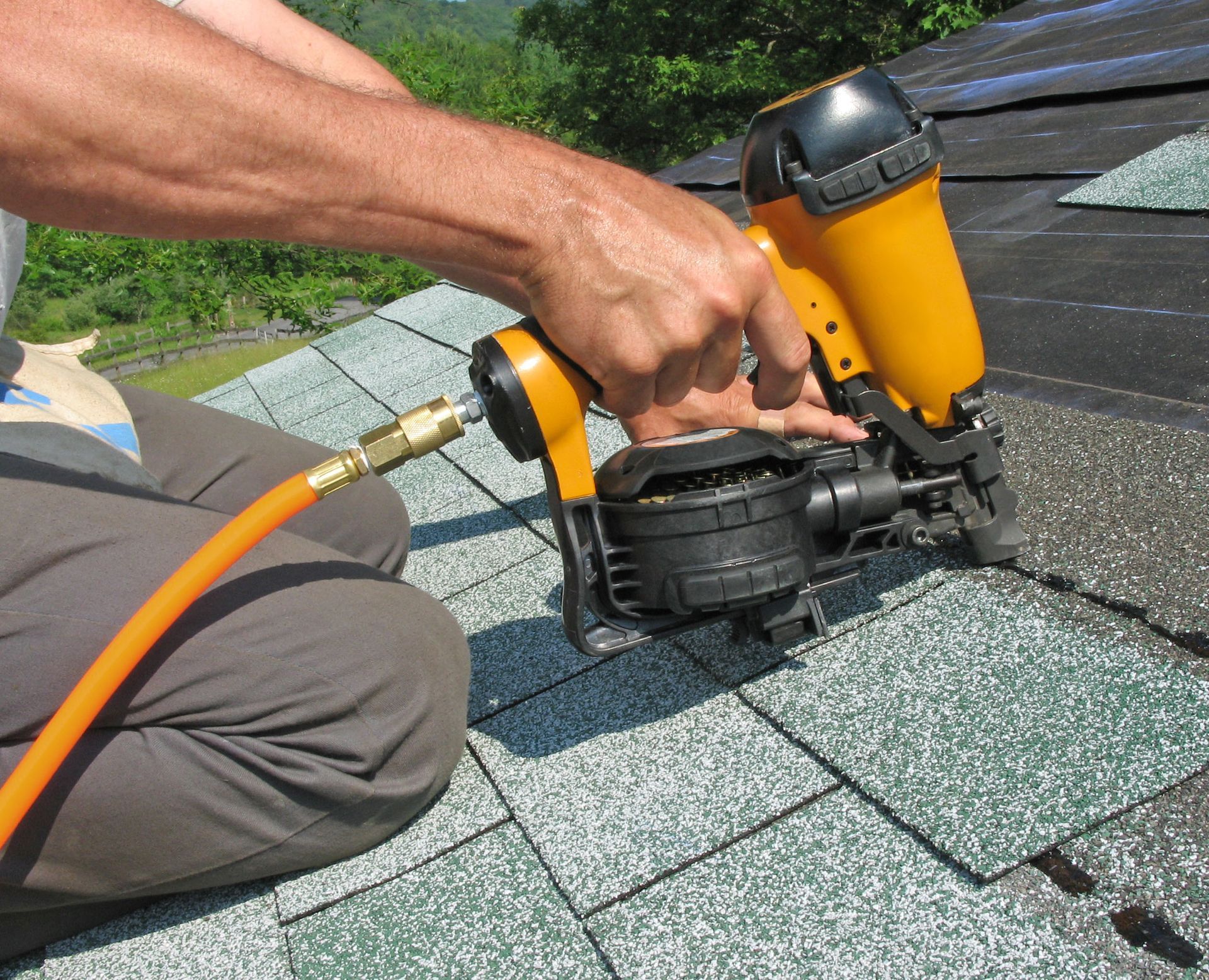
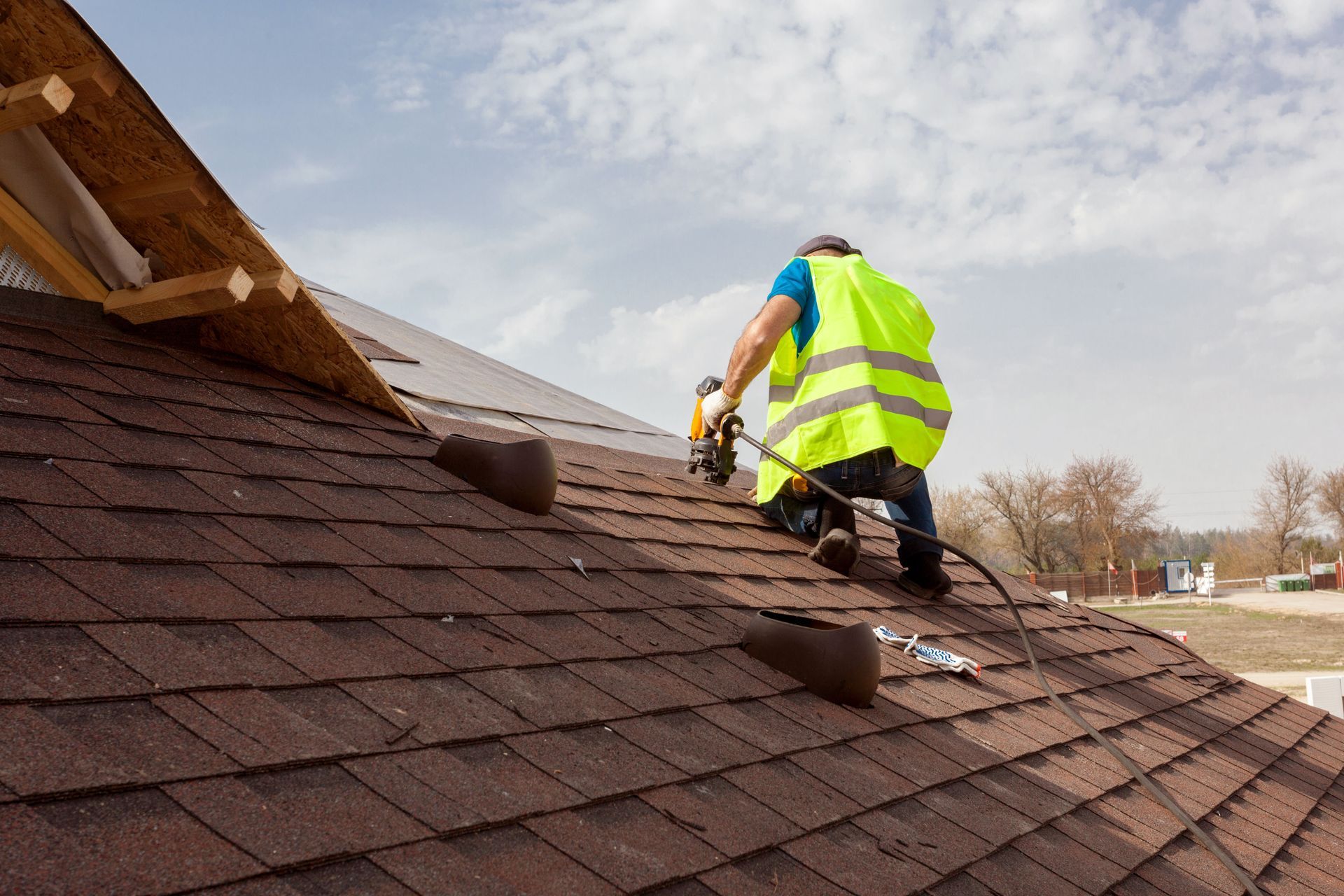
It is also helpful to prepare for temporary disruptions. Installation can involve noise, equipment, material deliveries, and debris. Contractors should explain how the worksite will be managed and what homeowners can expect while the project is underway.
Managing Permits and Property Protection
Some projects require permits or inspections to comply with local building regulations. The contractor can often explain which requirements apply, although homeowners should understand what approvals are necessary before work begins.
Property protection should also be discussed. Landscaping, outdoor furniture, vehicles, windows, siding, and other exterior features may need protection during construction. Contractors should have procedures for managing debris and keeping the work area organized.
Waste removal is another logistical consideration. Old roofing materials can create substantial debris, so homeowners should confirm whether disposal containers, hauling, and final cleanup are included in the project agreement.
Preparing the Budget
A complete project budget should account for more than the primary installation. Materials and labor are major expenses, but permits, disposal, repairs to underlying structures, ventilation improvements, and other requirements can increase the final cost.
Insurance may play a role when damage results from a covered event. Homeowners should review their policy and speak with their insurance provider when appropriate rather than assuming that all repairs or replacements will qualify for coverage.
Unexpected conditions can also affect expenses. Once existing materials are removed, contractors may discover damaged decking, moisture problems, inadequate ventilation, or other issues that were not visible during the initial inspection. A contingency fund can help accommodate legitimate additional work.
Preparing for Installation
Once the contractor, materials, budget, and schedule are established, homeowners can focus on preparing for the work. The contractor should provide information about access, material deliveries, work hours, cleanup procedures, and any temporary changes to normal household routines.
Weather can influence installation schedules, particularly when precipitation, strong winds, or extreme temperatures are expected. Maintaining some flexibility can make it easier for the contractor to select suitable working conditions without unnecessarily compromising the project.
Communication remains important throughout installation. Homeowners should know who to contact with questions and how changes to the agreed scope will be handled. If an unexpected issue is discovered, the contractor should explain the problem, proposed solution, and associated cost before proceeding with additional work.
Reviewing the Completed Work
After installation, a final walkthrough provides an opportunity to review the completed project with the contractor. The discussion should cover visible workmanship, cleanup, materials used, and any remaining items included in the agreement.
Homeowners should also obtain documentation related to warranties. Material warranties and workmanship warranties may have different terms and requirements, so understanding what each covers can be important for future reference.
Maintenance requirements should be discussed as well. Professional inspections and timely attention to potential problems can help preserve the roof's condition and identify developing issues before they become more extensive.
Planning for Long-Term Maintenance
Another important consideration is how the completed project will fit into the property's long-term maintenance plan. Homeowners should ask their contractor about expected maintenance, inspection intervals, ventilation, drainage, and signs that may require professional attention.
Keeping project records, including contracts, invoices, warranties, and material information, can also make future maintenance and warranty claims easier to manage. Clear documentation provides a useful reference if the property is sold or additional exterior improvements are planned later.
Taking these considerations into account helps homeowners view the project as a long-term investment rather than simply a short-term improvement to the property's exterior. A clear maintenance plan can help preserve the condition of the completed roof and support informed decisions about future repairs.
Planning With Professional Support
A well-planned roofing project combines careful preparation with qualified professional guidance. Assessing the property's needs, selecting appropriate materials, establishing a realistic budget, reviewing contractor credentials, and understanding the expected timeline can make the process easier to manage.
Reliant Roofing Systems Inc. can help homeowners navigate the planning and installation process with professional guidance tailored to their property's needs. Contact Reliant Roofing Systems Inc to discuss your project, evaluate your options, and determine the appropriate next steps for your home.

Share On: