
Is it Time to Repair or Replace Your Roof?
The roof of your home plays a crucial role in protecting you from the elements, but over time, it wears out or gets damaged. Here, we will explore the factors to consider when deciding whether to repair or replace your roof, offering guidance on how to make the best decision for your home and budget. Understanding the condition of your roof is vital to maintaining the structural integrity of your home. Whether through leaks or visible damage, ignoring necessary repairs can lead to more severe problems over time. We aim to help you in making the tough decision between roof repair and a full roofing replacement.
Assessing Roof Damage
Identifying Signs of Roof Damage
Identifying roof damage early can save homeowners from costly repairs or replacements in the future. Common signs of roof damage include missing shingles, visible cracks, and sagging areas. Water spots on ceilings or walls inside the home can also indicate roof leaks. Noticing these signs early and seeking professional evaluation can prevent further deterioration. According to experts, performing self-assessments after major storms can help catch problems before they worsen and point out if a complete roofing replacement is necessary.
Knowing the Impact of Weather on Roof Condition
Weather plays a significant role in the wear and tear of roofing materials. Heavy rains can lead to leaks, while strong winds may dislodge shingles or tiles. Snow and ice accumulation can cause structural stress, especially in regions that experience harsh winters. Over time, the sun's UV rays can deteriorate roofing materials, reducing their lifespan. Regular inspections after severe weather events are crucial to maintaining a healthy roof and determining if a total roof replacement is looming on the horizon.
Evaluating the Structural Integrity
Evaluating the structural integrity of a roof requires thorough inspections both from the ground and on the roof itself. Look for signs like uneven roof lines or dips, which may indicate structural issues. Structural damage often occurs gradually, so early detection and intervention are vital. Enlisting a professional’s help can ensure all potential problems are addressed. A structurally sound roof not only protects against the elements but also supports the overall integrity of the home.
Concerning Leaks and Water Damage
Leaks can be a homeowner's nightmare, leading to water damage that affects ceilings, walls, and even the home’s foundation. When water penetration extends beyond roof coverings, mold and mildew issues may arise. It is essential to address leaks immediately to prevent extensive and costly repairs. Often, what seems like minor water ingress can be indicative of bigger underlying problems. Professional assessment will help in diagnosing the extent of water damage and determining whether a simple repair or a full roofing replacement is needed.
Deciding Between the Costs
Understanding Repair Costs vs. Replacement Costs
Understanding the financial implications of repairing versus replacing a roof is essential for homeowners deciding on the best course of action. Repairing a roof typically costs less upfront compared to replacement, making it an attractive option for minor damage. However, constantly patching up an aged roof might lead to increased costs over time. In contrast, investing in a total roofing replacement could provide long-term financial benefits by preventing repetitive expenses. Careful consideration of both short-term and long-term costs will help in making an informed decision.
Choosing Short-term or Long-term Investments
Short-term financial implications of roof repair include the immediate costs of material and labor. However, if the repairs continue over time, they can accumulate into substantial expenses. Conversely, a new roof comes with a significant initial expense but offers long-term benefits such as added value to the home and increased energy efficiency. Balancing both short-term strain and long-term gain is crucial. According to Ruby Home, the average roof lasts between 25 and 50 years; with this in mind, providing a new roofing replacement could be a sound investment in the long term.
Getting Accurate Cost Estimates
Obtaining accurate cost estimates from multiple contractors ensures homeowners get a fair price for their roofing project. It's essential to seek itemized quotes to compare costs for materials and labor. Detailed estimates help avoid unexpected expenses during the project. Transparency is key, so ensure all potential hidden costs are discussed beforehand. Conducting thorough research and consulting reliable contractors can provide accurate projections of the total expenditure.
Lifespan of Different Roofing Materials
Shingle Roofs: Asphalt vs. Composite
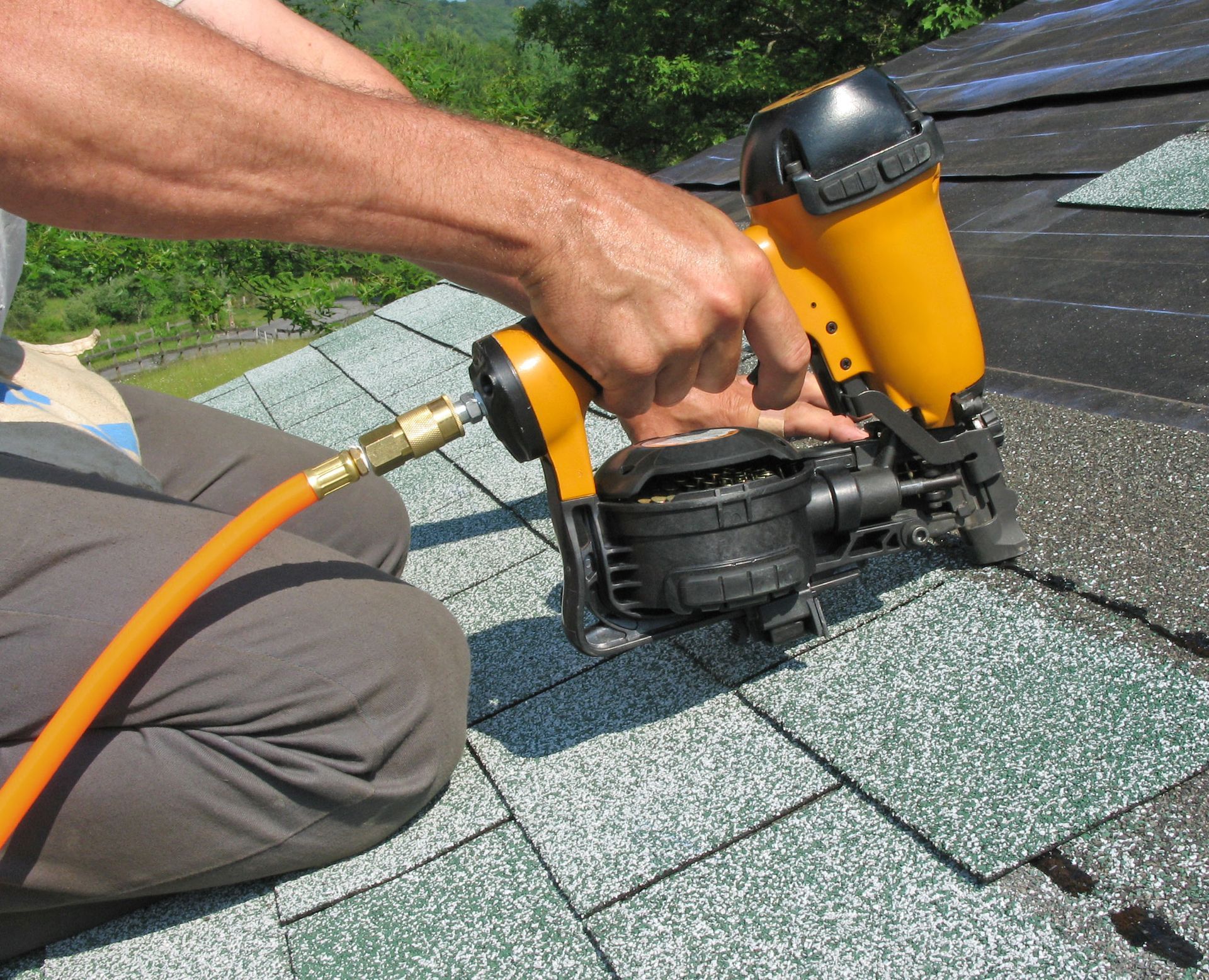
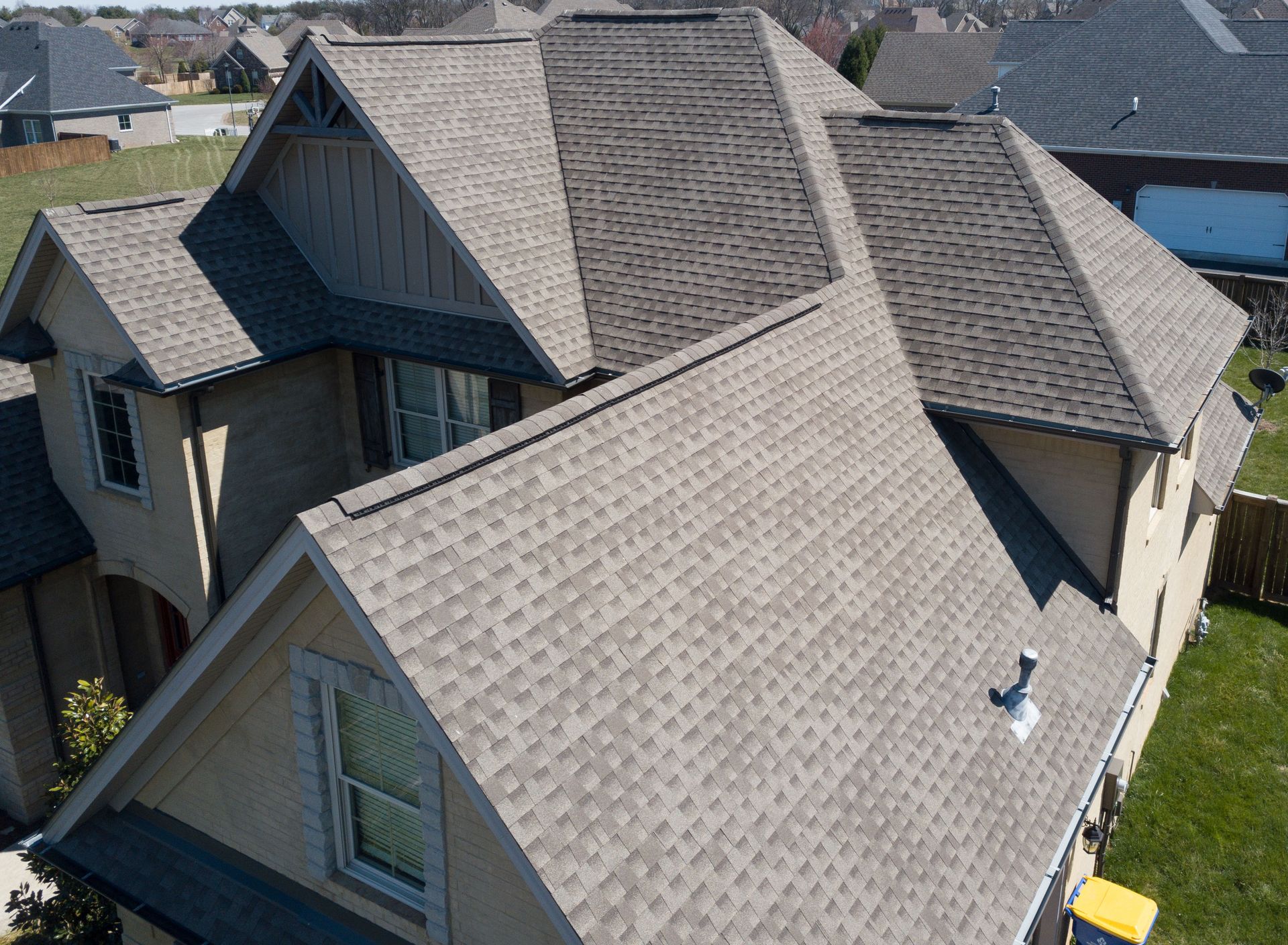
Asphalt shingles are a popular choice among homeowners, known for their affordability and ease of installation. They typically last, in our experience, 15 to 30 years, depending on climate and maintenance. Composite shingles, on the other hand, are a blend of different materials, offering enhanced durability and a longer lifespan compared to asphalt. While they might come with a higher price tag, their longevity can compensate for the upfront costs. Choosing between these materials involves considering budget, aesthetic preference, and desired life expectancy.
Metal Roofs: Durability and Longevity
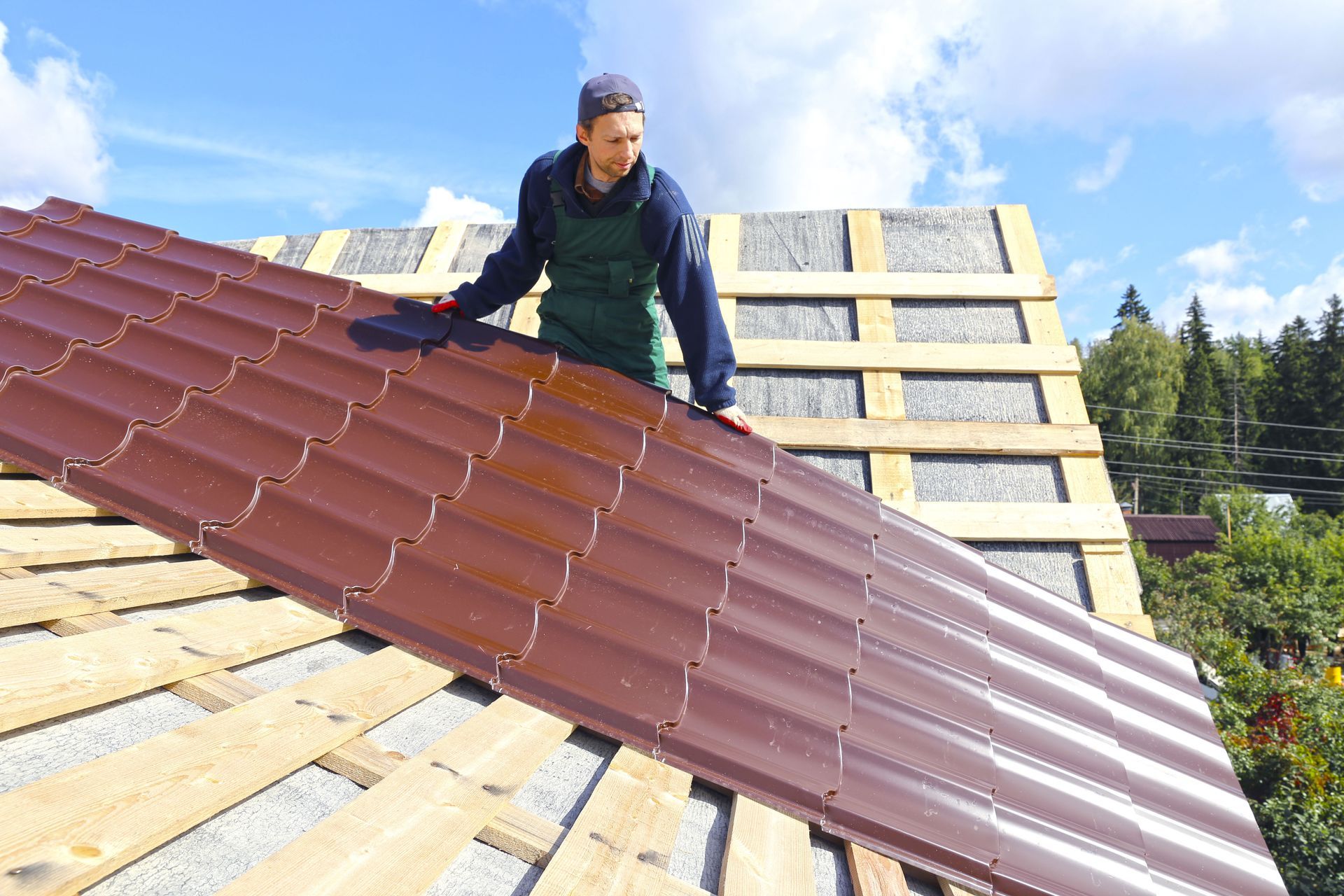
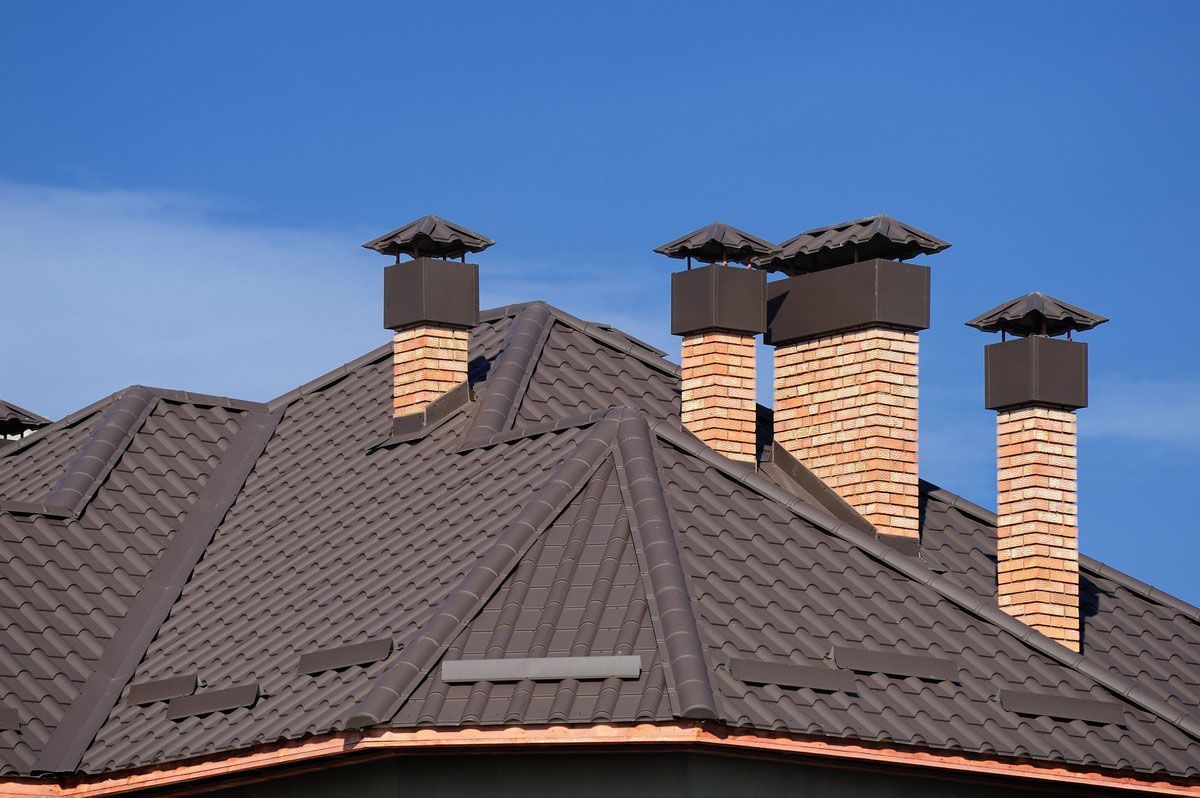
Metal roofs are gaining popularity due to their impressive durability and longevity, which we have found to last 40 to 70 years with proper maintenance. They are particularly advantageous in regions with extreme weather, as they resist wind, rain, and snow effectively. While metal roofing systems can be more expensive initially, their extended lifespan and energy efficiency contribute to long-term savings. Metal roofs are also eco-friendly, often containing recycled materials that can be fully recycled at the end of their life. This combination of durability and sustainability makes metal a strong contender when planning a roofing replacement.
Tile and Slate Roofs: Classic and Trusted
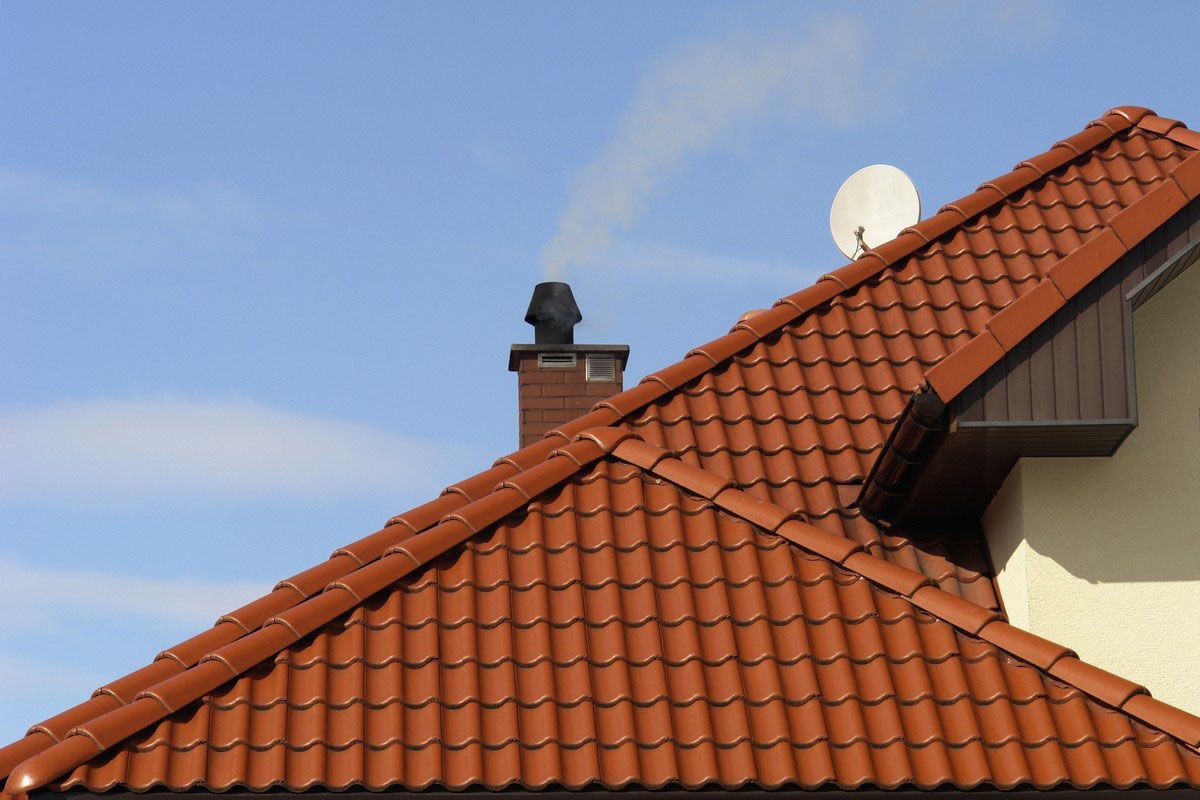
Tile and slate roofs are renowned for their beauty and longevity, often outlasting other materials with lifespans of, in our experience, over 50 years. These roofs are ideal for homes in warmer climates due to their ability to reflect heat. They are also resistant to fire and insect damage, adding an extra layer of protection. However, the weight of tile and slate requires strong structural support, which might necessitate reinforcement for some homes. Despite their higher cost, their durability and distinct aesthetic appeal make them a worthwhile investment.
Safety and Warranty Concerns
Understanding Roofing Warranties
Roofing warranties provide peace of mind and financial protection against potential defects or premature failures. Most warranties cover material defects, while some might also include labor, making it crucial to understand their scope and conditions. It's essential to adhere to maintenance and inspection guidelines, as neglect can void warranty coverage. Reviewing warranty terms with a roofing professional ensures clarity and avoids misunderstandings. Warranties are invaluable, providing assurance of the roof's performance and durability over time.
Avoiding the Safety Risks of Old and Damaged Roofs
Old or damaged roofs can pose significant safety risks, including the potential for structural collapse, leaks, and compromised insulation. Such risks necessitate immediate attention to ensure the safety of inhabitants and prevent further damage to the home. Ignoring these issues can lead to higher repair costs, water damage, and even injury. Regular inspections and preventive maintenance are key to avoiding severe issues. Addressing safety risks promptly protects the home and ensures long-term durability.
Initiating Professional Inspections
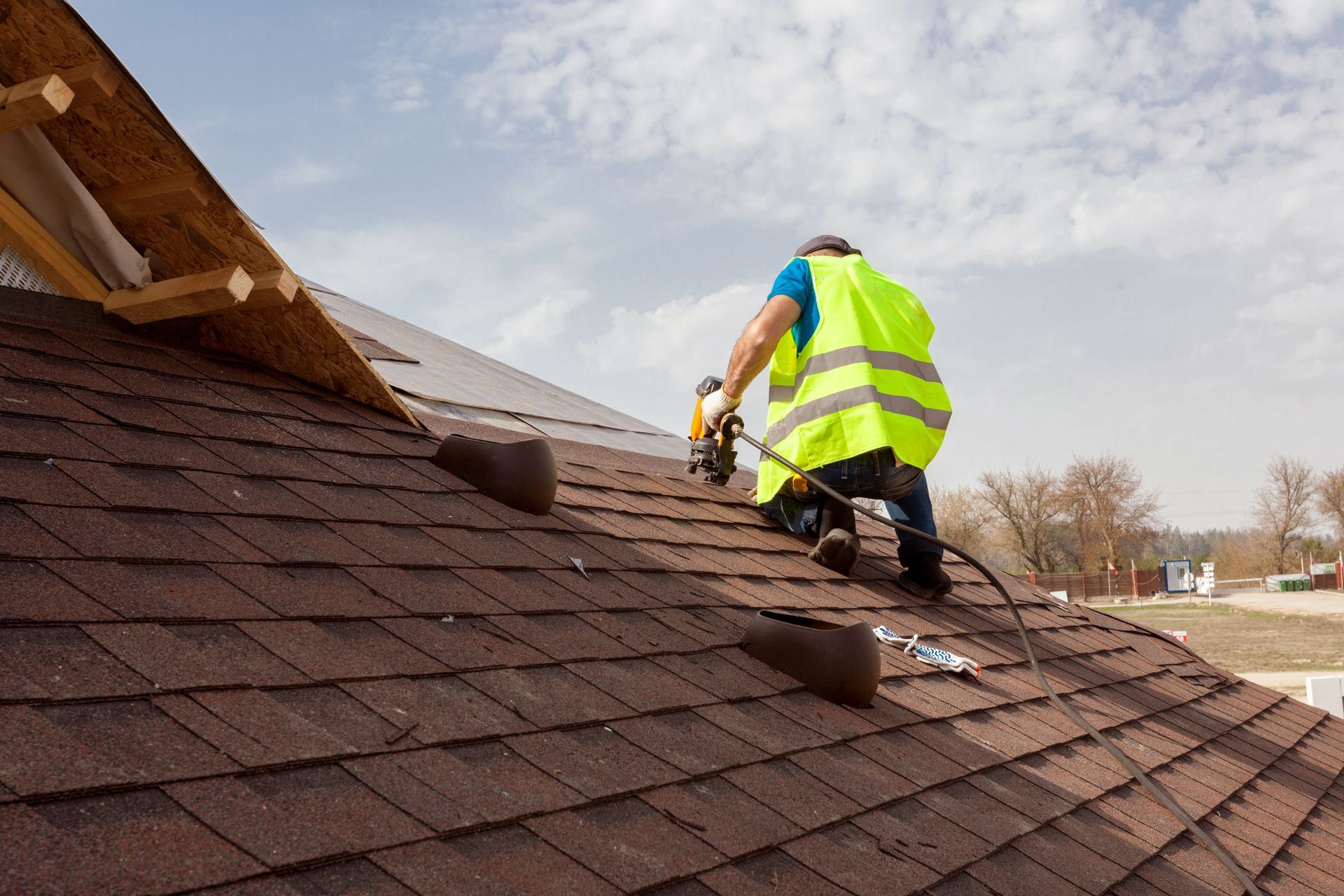
Engaging professionals for regular roof inspections helps identify issues that homeowners might overlook. Professionals have the expertise to detect hidden problems and recommend the best course of action, whether repair or replacement. These inspections prolong the roof's lifespan by addressing issues early, reducing long-term repair costs. They also provide valuable insights into the roof's health and potential improvements. Investing in professional assessments ensures peace of mind and optimal roof performance.
Following Legal Compliance
Roofing projects often involve legal considerations and compliance with local building codes. Permits are typically required for replacements and significant repairs to ensure work aligns with regional regulations. Compliance with codes improves safety and quality, providing additional assurance of a sound roof. It's crucial to engage licensed contractors familiar with local requirements to avoid legal complications. Understanding and adhering to legal considerations protects homeowners and ensures a seamless roofing project.
Deciding whether to repair or replace your roof requires balancing the current extent of damage against the age and lifespan of your roofing materials. While minor leaks or missing shingles can often be addressed with cost-effective, targeted repairs, an aging roof approaching the end of its lifespan is usually best resolved with a complete roofing replacement to avoid repetitive patching costs. Contact the professionals at Reliant Roofing Systems Inc today to schedule a comprehensive inspection and determine the smartest, most cost-effective path forward for your home's roof.
Share On: