Your Guide to Metal Roofing and Minimal Maintenance
Choosing a roofing material involves considering appearance, durability, cost, and the amount of upkeep required over time. Homeowners often want a roof that protects their property without creating demanding maintenance responsibilities. Metal roofing has become an appealing option because of its durability, weather resistance, and relatively manageable care requirements. Unlike certain traditional roofing materials, properly installed metal systems can provide long-term protection with periodic inspections and preventive attention. However, minimal maintenance does not mean that a roof can be completely neglected. Understanding how metal roofing systems function and what they require helps property owners make informed decisions about installation and ongoing care. With appropriate roofing maintenance, homeowners can help preserve their roof's condition while reducing the likelihood of unexpected repairs and unnecessary expenses.
1. Understanding the Durability of Metal Roofing
Metal roofing systems are manufactured using materials such as steel, aluminum, copper, and zinc. These materials offer different characteristics, but many are designed to withstand prolonged exposure to environmental conditions. Protective coatings and specialized finishes can help resist corrosion, fading, and surface deterioration. Unlike roofing materials that may crack or break under certain conditions, metal panels provide a durable covering when properly selected and installed.
Durability contributes to the relatively limited upkeep associated with metal roofs. However, performance depends on material quality, installation methods, climate, and environmental exposure. Coastal properties may require additional corrosion protection, while regions experiencing severe storms may benefit from systems designed for higher wind resistance. Understanding these factors allows homeowners to select materials that support dependable protection without assuming every metal roofing product performs identically.
2. Reducing the Need for Frequent Repairs
One reason homeowners consider metal roofing is its potential to reduce certain recurring repair concerns. Properly installed metal panels generally resist problems such as cracking, splitting, and granule loss associated with some other roofing materials. Their overlapping or interlocking designs help create a protective barrier against precipitation. Depending on the system, concealed fasteners and continuous panels may also reduce the number of exposed components requiring attention.
Although metal roofs can be durable, occasional repairs may still become necessary. Loose fasteners, damaged flashing, deteriorated sealants, or storm-related impacts can affect performance. Routine roofing maintenance helps identify these concerns before they contribute to water intrusion or additional deterioration. Homeowners should arrange professional evaluations when they notice unusual noises, visible damage, or signs of moisture. Prompt attention can help preserve the existing system without requiring extensive repairs.
3. Managing Debris and Drainage Effectively
Keeping a roof clear of accumulated debris is an important part of maintaining reliable performance. Leaves, branches, dirt, and other materials can collect around valleys, gutters, and roof penetrations. Although metal roofing surfaces often allow water and loose debris to move toward drainage areas, obstructions may still develop. Accumulated organic material can retain moisture and interfere with proper water movement.
Homeowners can support effective drainage by arranging periodic gutter cleaning and removing debris when necessary. Professional assistance is recommended for tasks requiring roof access because metal surfaces may become slippery, especially when wet. Technicians can inspect valleys, downspouts, and drainage components while checking for deterioration. Maintaining clear drainage pathways helps reduce standing water and supports the protective function of the roofing system throughout changing seasons.
4. Protecting the Roof Against Weather Exposure
Metal roofs are designed to withstand various environmental conditions, including rain, wind, sunlight, and temperature fluctuations. Many systems feature protective finishes that help resist weather-related deterioration. Properly secured panels can provide reliable protection during ordinary storms, while suitable underlayment and flashing help manage moisture around vulnerable areas. These characteristics make metal roofing appealing to homeowners seeking durable materials.
Nevertheless, severe weather can damage even well-constructed roofing systems. Hail may create dents, strong winds can affect improperly secured components, and falling branches may damage panels or coatings. Roofing maintenance should include inspections following significant storms, particularly when visible damage or interior moisture appears. Professional assessments can determine whether repairs are necessary and help homeowners address potential problems before additional exposure causes further deterioration.
5. Maintaining Protective Coatings and Finishes
Many metal roofing products include factory-applied coatings that improve appearance and protect the underlying material. These finishes may help resist corrosion, ultraviolet exposure, and discoloration. Available colors and coating technologies vary by manufacturer, allowing homeowners to select products that complement their property's exterior. The condition of these protective layers influences both appearance and long-term material performance.
Maintaining coatings generally involves periodic visual inspections and appropriate cleaning when dirt or contaminants accumulate. Abrasive tools, harsh chemicals, and incompatible cleaning products can damage finishes and should be avoided. If scratches or coating deterioration appear, homeowners should consult qualified professionals about manufacturer-approved repair methods. Following product-specific care recommendations can help preserve the finish without introducing unnecessary maintenance procedures or risking additional damage.
6. Inspecting Fasteners, Seams, and Flashing
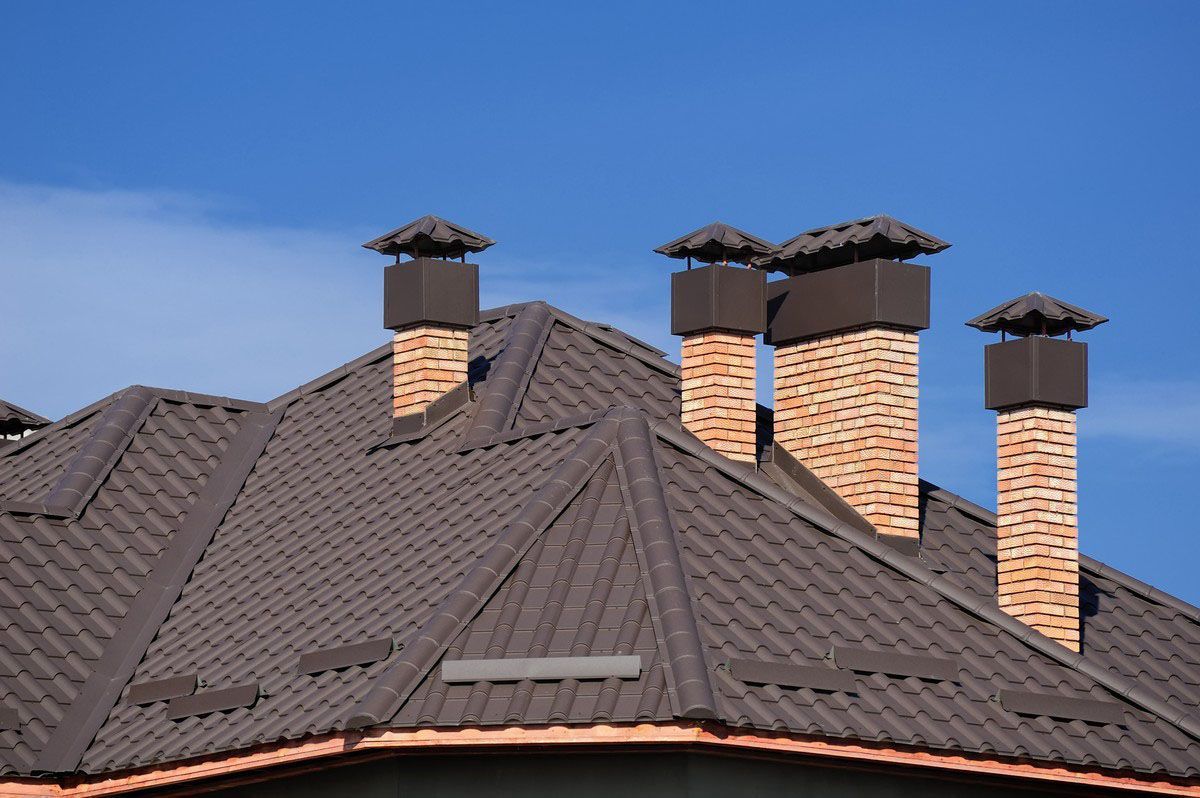
Metal roofing systems rely on properly installed connections to maintain their protective function. Depending on the design, panels may use concealed clips, exposed fasteners, standing seams, or overlapping joints. Flashing protects transitions around chimneys, vents, skylights, and roof edges. These components require attention because temperature changes and weather exposure can affect materials and connections over time.
Professional roofing maintenance often includes examining fasteners, seams, and flashing for signs of movement, corrosion, or deterioration. Exposed fastener systems may require additional monitoring because washers and other components can age. Standing seam systems have different inspection requirements. Identifying loose connections or damaged seals early can help prevent moisture intrusion. Homeowners should avoid attempting repairs without appropriate knowledge because incorrect fasteners or sealants may compromise the roofing system.
7. Supporting Energy Efficiency Through Proper Care
Metal roofing can contribute to a building's energy performance when paired with appropriate insulation, ventilation, and reflective finishes. Certain metal products reflect a portion of incoming solar radiation, potentially reducing heat absorption during warm weather. However, actual energy performance depends on roof color, coating characteristics, climate, and the building's overall construction. Selecting suitable materials during installation is important for achieving desired results.
Keeping the roofing system in good condition can help preserve its intended performance. Accumulated dirt may affect the reflectivity of certain finishes, while damaged ventilation components can influence attic conditions. Regular inspections provide opportunities to identify these concerns and determine whether cleaning or repairs are appropriate. Homeowners should evaluate energy-related improvements as part of the entire building rather than expecting roofing materials alone to produce substantial savings.
8. Planning for Long-Term Roofing Maintenance
Establishing a practical maintenance schedule helps homeowners protect their roofing investment. Metal roofing generally requires periodic inspections rather than constant attention, but the appropriate frequency depends on climate, surrounding trees, roof design, and manufacturer recommendations. Properties exposed to coastal conditions, frequent storms, or heavy debris may need more frequent evaluations. Keeping records of inspections and completed repairs can also help track the roof's condition.
According to the Aluminum Association, metal roofing is used in more than 17% of newly installed residential roofing systems. Its continued use highlights the importance of understanding proper care for these systems. Professional roofing contractors can recommend inspection schedules, explain warranty requirements, and identify maintenance concerns specific to the installed materials. A proactive approach helps homeowners address minor problems before they become expensive repairs while supporting reliable performance over the roof's expected service life.
Metal roofing offers homeowners a practical combination of durability, weather resistance, design flexibility, and manageable upkeep. Although these systems are often associated with minimal maintenance, periodic inspections, debris removal, and attention to vulnerable components remain important. Protective coatings, secure fasteners, effective drainage, and properly installed flashing all contribute to long-term performance. Understanding these responsibilities helps property owners develop realistic expectations and avoid overlooking preventable problems. By following manufacturer recommendations and arranging professional evaluations when necessary, homeowners can help preserve their roofing investment for years. Whether you are considering a new metal roof, evaluating an existing system, or developing a roofing maintenance plan, experienced professionals can provide useful guidance. To learn more about metal roofing options and dependable roofing services for your property, contact Reliant Roofing Systems Inc today.

Share On: